
September 20, 2025
Finding Your Signature Style: Standing Out as a Photographer in an Oversaturated Visual World
Tips for developing a recognizable visual identity that stands apart without feeling forced.
Why simplicity hits harder than complexity — and how photographers can use negative space to direct emotion.
February 13, 2025
In an age where images compete for attention and every frame feels louder than the last, restraint has quietly become one of the most powerful tools a photographer can use. Simplicity isn’t just an aesthetic choice — it’s a strategy. It’s a way of helping viewers breathe, focus, and feel more deeply.
Visual restraint is the practice of removing everything that doesn’t serve the story. The excess. The noise. The distractions. What’s left is the essence — the part that stays with people long after they’ve scrolled past.
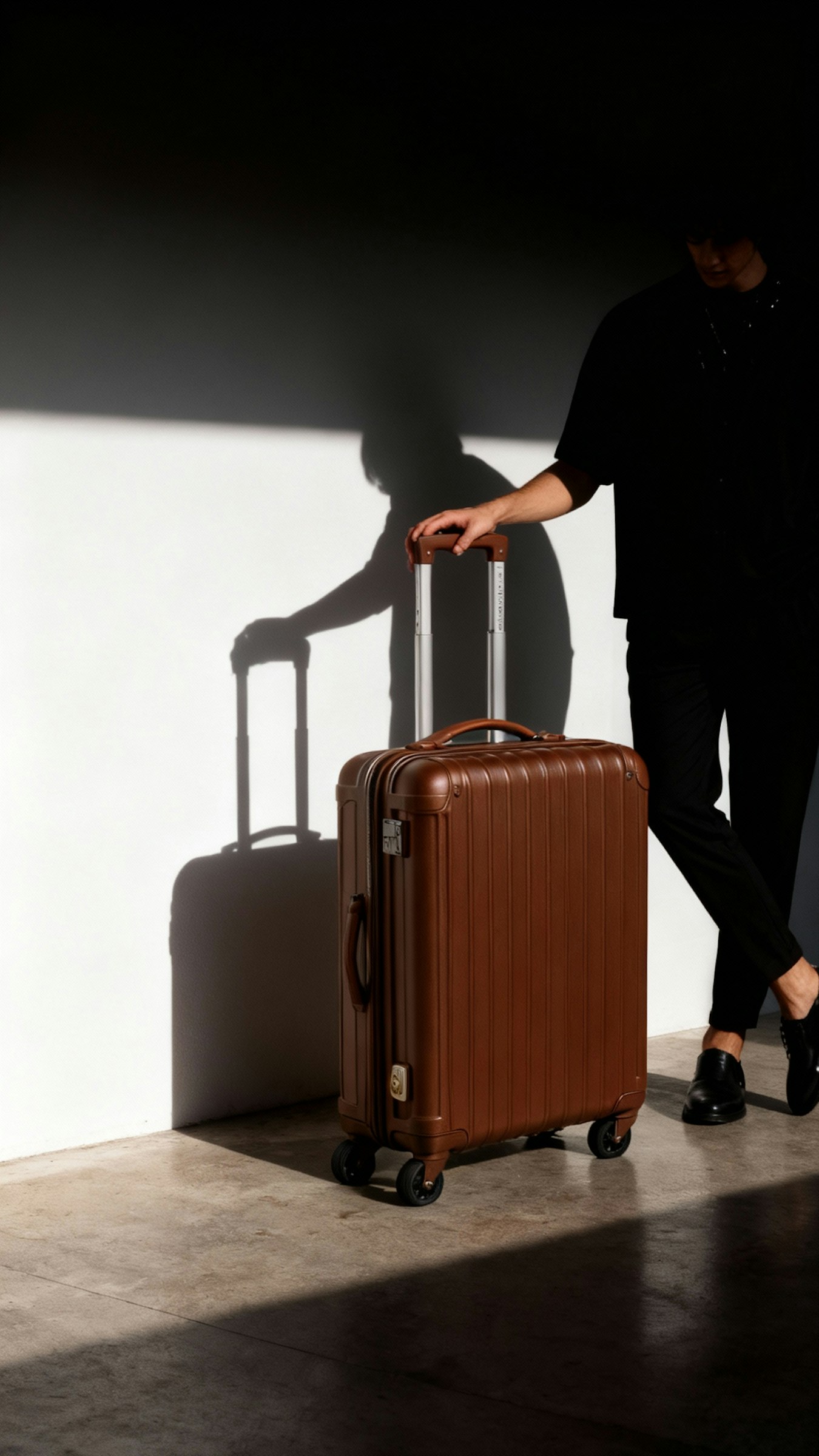
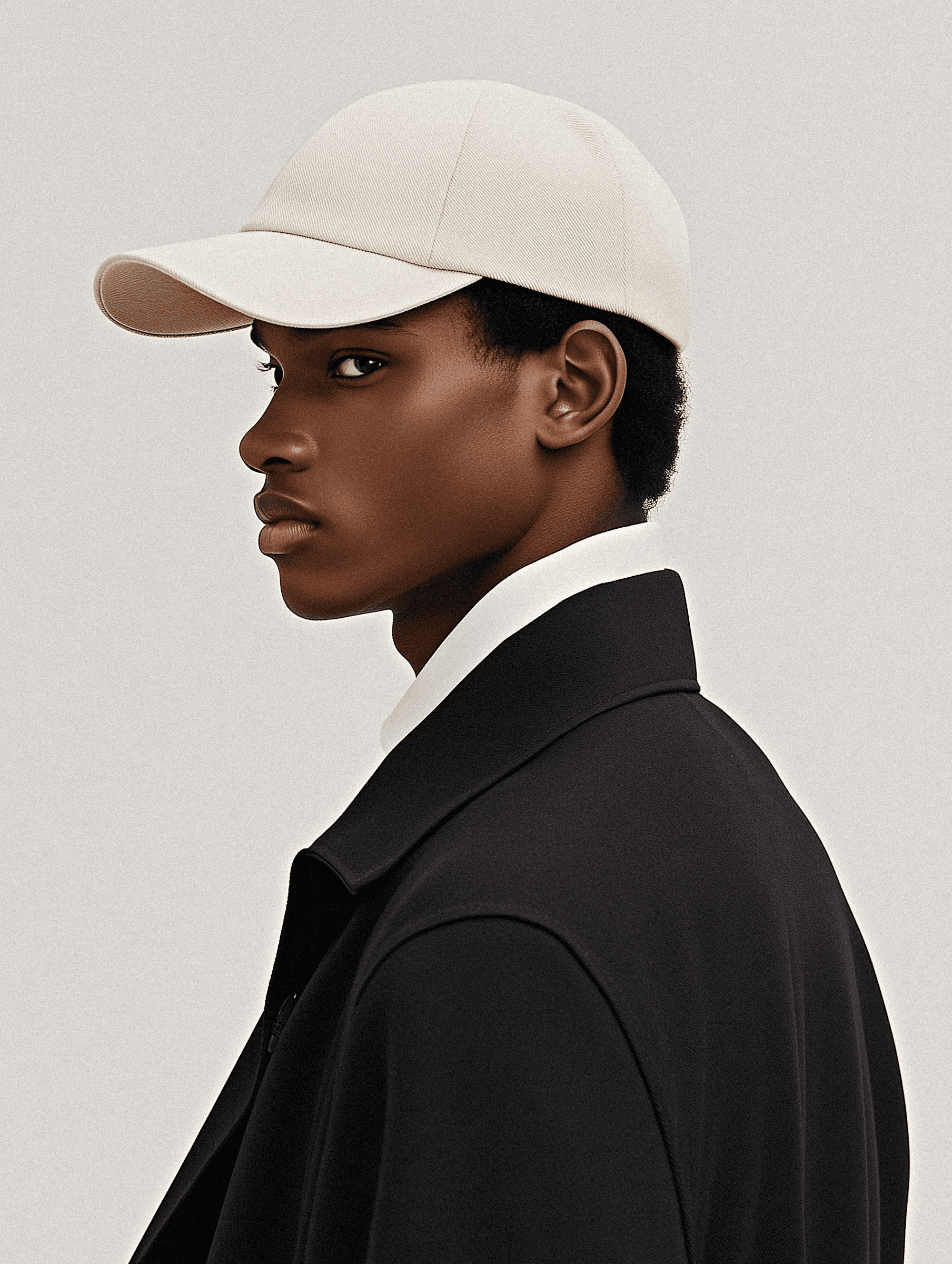
Minimal compositions force the eye to land where it matters. A single subject in a sea of negative space. A soft highlight breaking through the shadows. A gesture that feels louder because nothing around it is competing for attention.
This kind of photography gives viewers room to think. To interpret. To feel like they’re part of the moment rather than simply observing it.
Negative space isn’t empty — it’s intentional. It controls pacing, mood, and tension. It can make a subject feel isolated, powerful, fragile, or timeless. It’s one of the simplest ways to guide the emotional weight of an image without adding anything at all.
When photographers embrace space, they embrace storytelling.
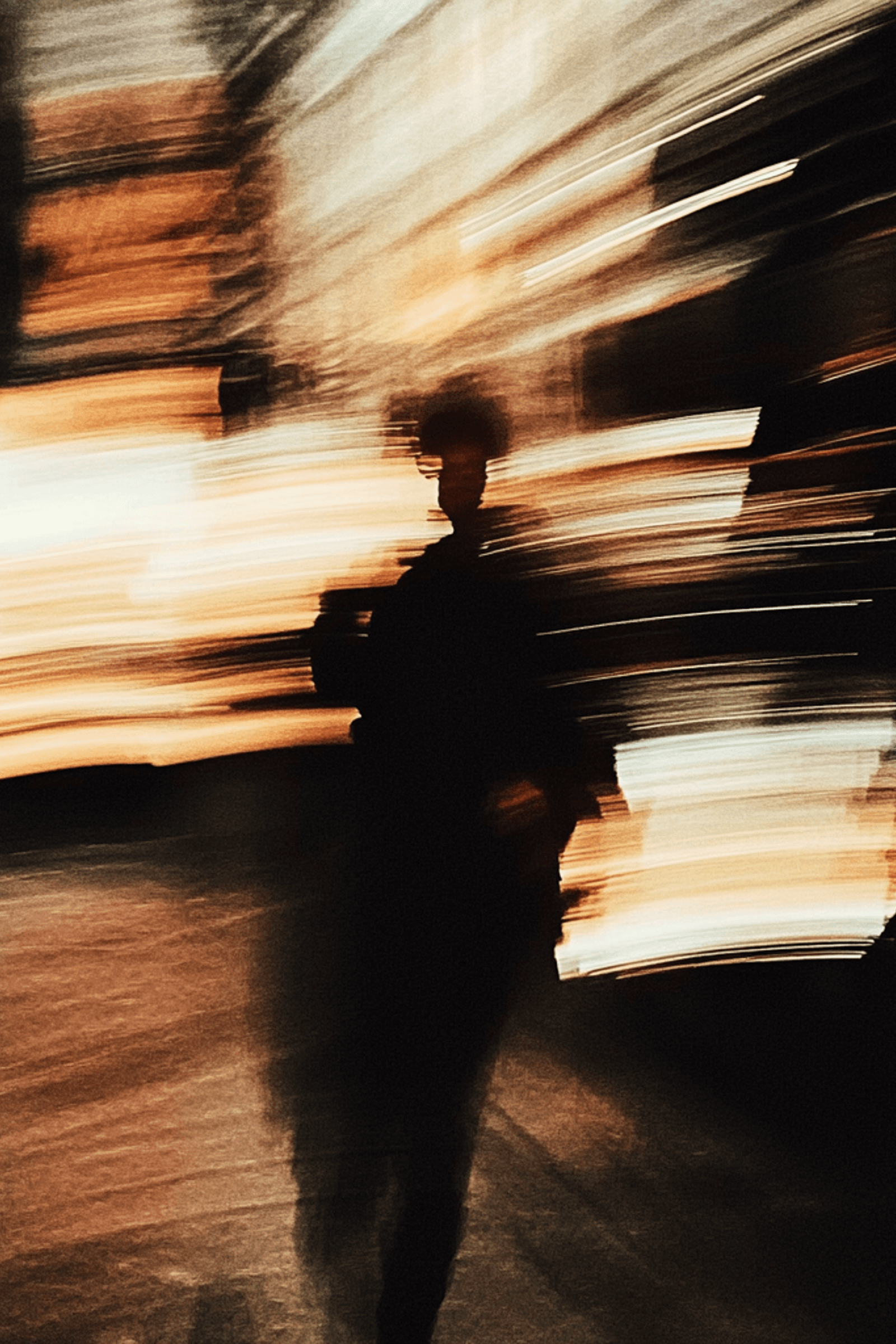
Restraint continues into post-production. It’s choosing subtle grading over heavy-handed color shifts. It’s allowing shadows to stay dark instead of pulling everything into perfect visibility. It’s being comfortable with imperfection — the grain, the blur, the rawness — because it feels honest.
The edit shouldn’t overpower the moment. It should reveal it.
One subject. One light source. One idea.
Some of the strongest frames ever created began with a singular focus. Limitations force clarity. When you decide what the image isn’t, you get closer to what it is.
In a world filled with visual overwhelm, restraint is almost rebellious. It slows the viewer down. It creates impact by refusing to shout. It shows confidence — the confidence to let simplicity speak for itself.
Visual restraint doesn’t make a photograph feel empty.
It makes it feel intentional.
AUTHOR
Melvin is a commercial and editorial photographer & director based in Los Angeles. He began as a street photographer documenting everyday life. He later transitioned into commercial and editorial photography, working with world-renowned brands.