September 20, 2025
Finding Your Signature Style: Standing Out as a Photographer in an Oversaturated Visual World
Tips for developing a recognizable visual identity that stands apart without feeling forced.
A breakdown of how concept, lighting, composition, and direction come together to tell a cohesive visual story.
July 16, 2025
A strong photograph rarely begins with a camera. It starts with an idea — a feeling, a question, or a moment worth preserving. Story-driven photoshoots aren’t about capturing what’s in front of the lens. They’re about shaping an experience before the shutter ever clicks.
Every intentional shoot follows a rhythm. Quiet planning. Focused execution. Thoughtful refinement.
Locations are important, but they’re not the foundation. The foundation is the story. What should the viewer feel? Calm. Tension. Intimacy. Movement.
Once the emotion is clear, everything else falls into place:
Location
Styling
Light
Framing
Without a concept, even the most beautiful settings feel empty.
Mood boards aren’t about copying references. They’re about alignment. Color, texture, posture, light, and space all communicate before a subject ever steps on set.
A strong mood board answers questions silently:
How soft or dramatic is the light?
How controlled or raw should the energy feel?
How minimal or layered is the frame?
It keeps the shoot focused while leaving room for intuition.
Great direction doesn’t feel like direction. It feels like conversation. Subjects should feel present, not posed.
Instead of rigid instructions, story-driven shoots rely on:
Subtle prompts
Natural movement
Space for pauses
Letting moments unfold
The best frames often live between planned shots.
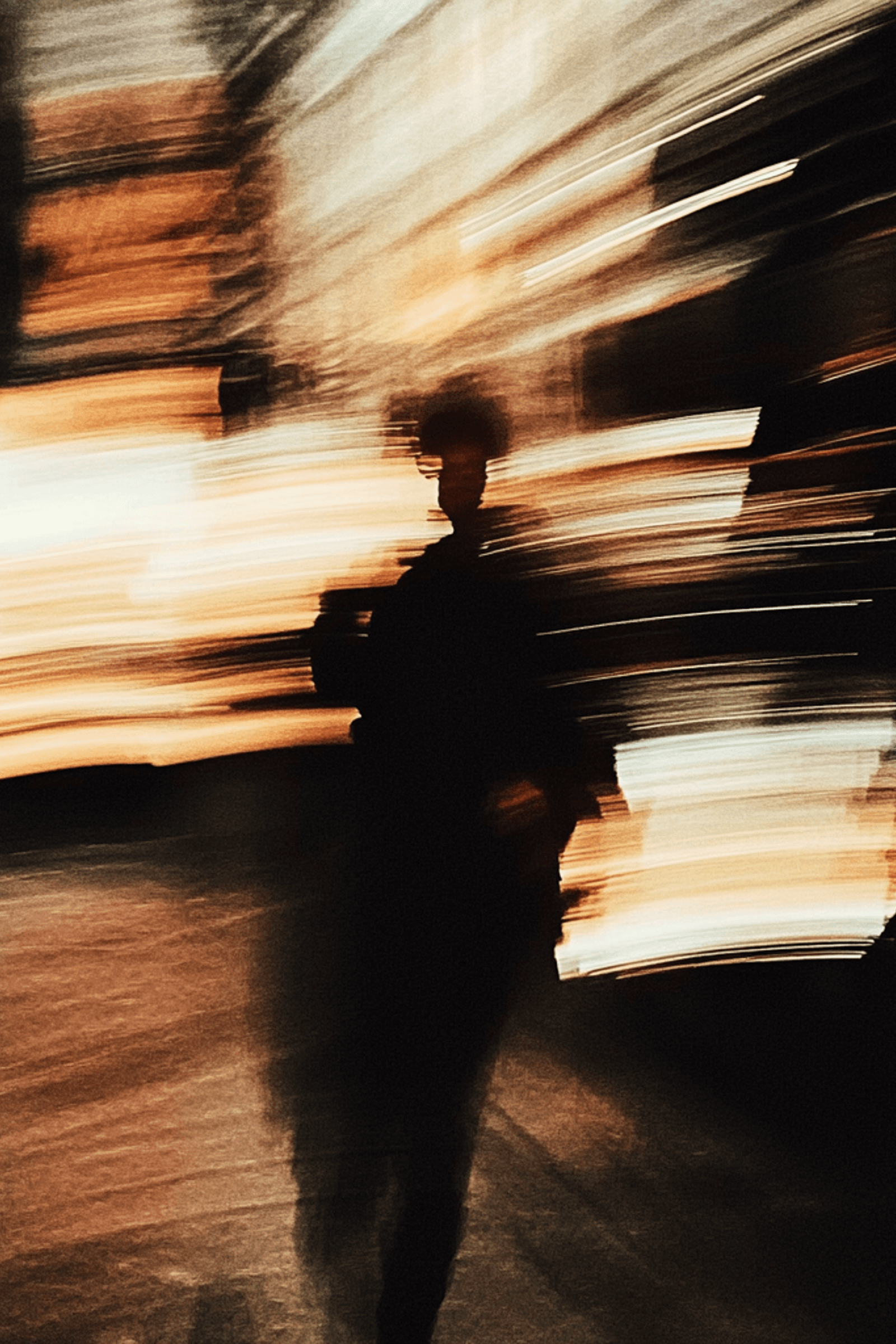
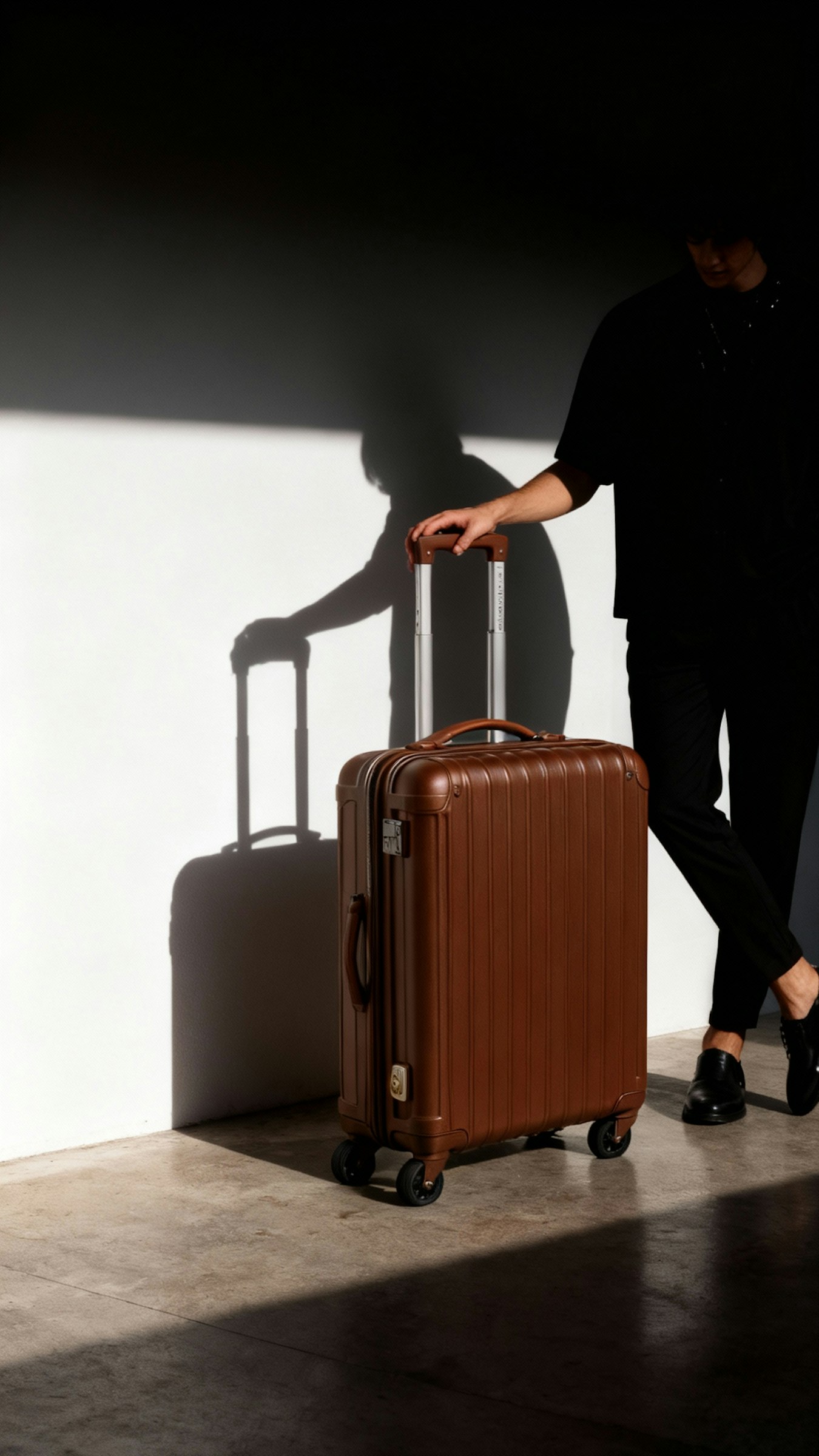
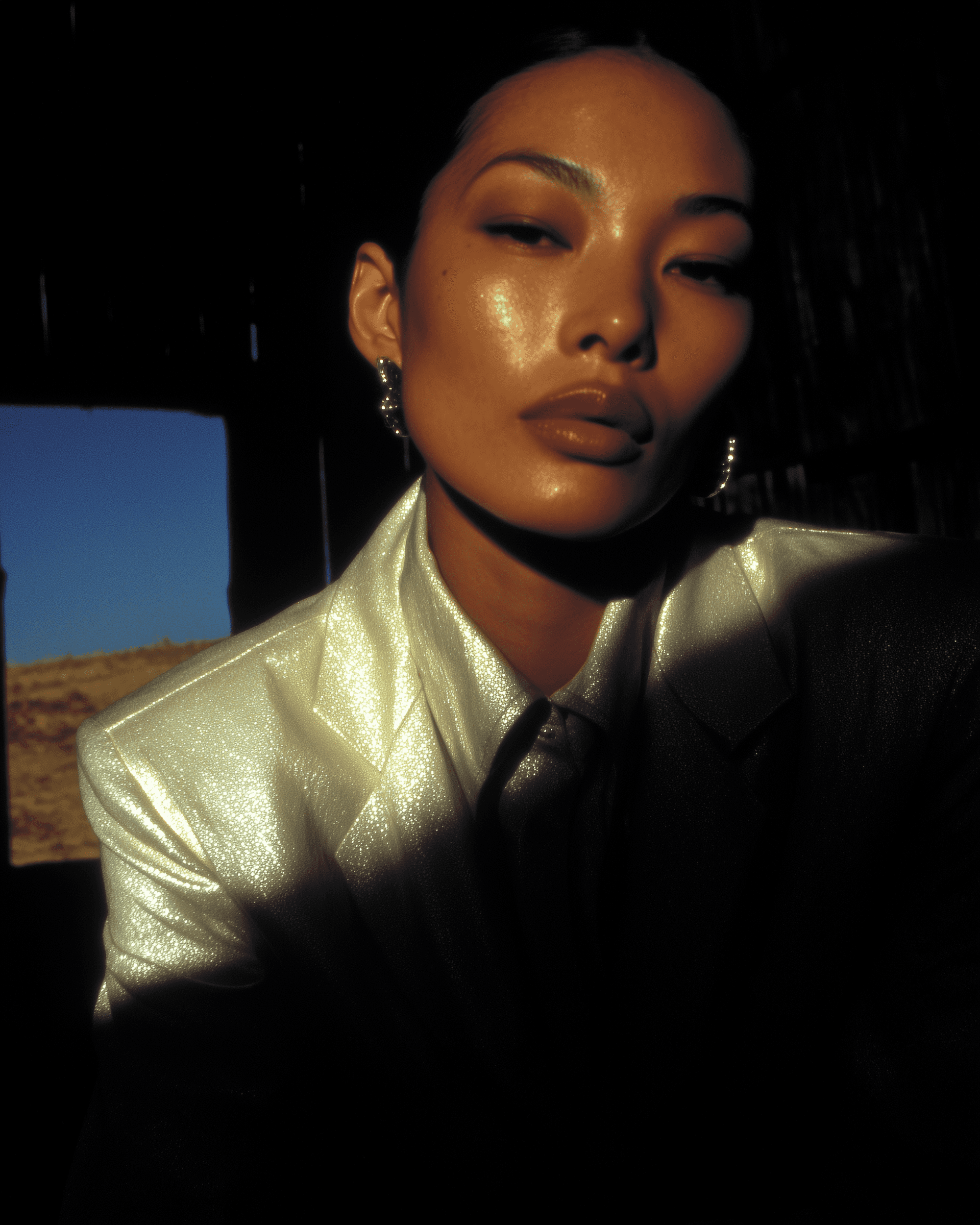
Light defines mood faster than any other element. Soft light invites vulnerability. Hard light introduces tension. Backlight creates mystery.
Choosing how light behaves is choosing how the story feels. Everything else supports that decision.
Storytelling doesn’t end on set. While shooting, every decision considers the final sequence. Which images open the story? Which ones slow it down? Which frame ends it quietly?
Thinking in sequences turns individual photos into narrative pieces.
The edit isn’t about selecting the sharpest image. It’s about selecting the most honest one. The frame where posture, expression, and atmosphere align.
Color grading, contrast, and pacing all support the story rather than reshape it.
Not every moment needs to be captured. Restraint matters. Leaving space allows the story to breathe — and gives viewers room to connect on their own terms.
A story-driven photoshoot doesn’t shout.
It invites.
AUTHOR
Melvin is a commercial and editorial photographer & director based in Los Angeles. He began as a street photographer documenting everyday life. He later transitioned into commercial and editorial photography, working with world-renowned brands.