
September 20, 2025
Finding Your Signature Style: Standing Out as a Photographer in an Oversaturated Visual World
Tips for developing a recognizable visual identity that stands apart without feeling forced.
From moody desaturation to warm cinematic tones, explore the palettes shaping today’s editorial work.
July 14, 2025
Color grading is no longer just a finishing touch. It’s a defining voice. In modern photography, color shapes mood, emotion, and identity just as much as composition or light. A strong grade can make an image feel timeless, cinematic, or deeply personal — often before the subject is even understood.
Today’s most compelling photographers treat color as part of the story, not decoration.
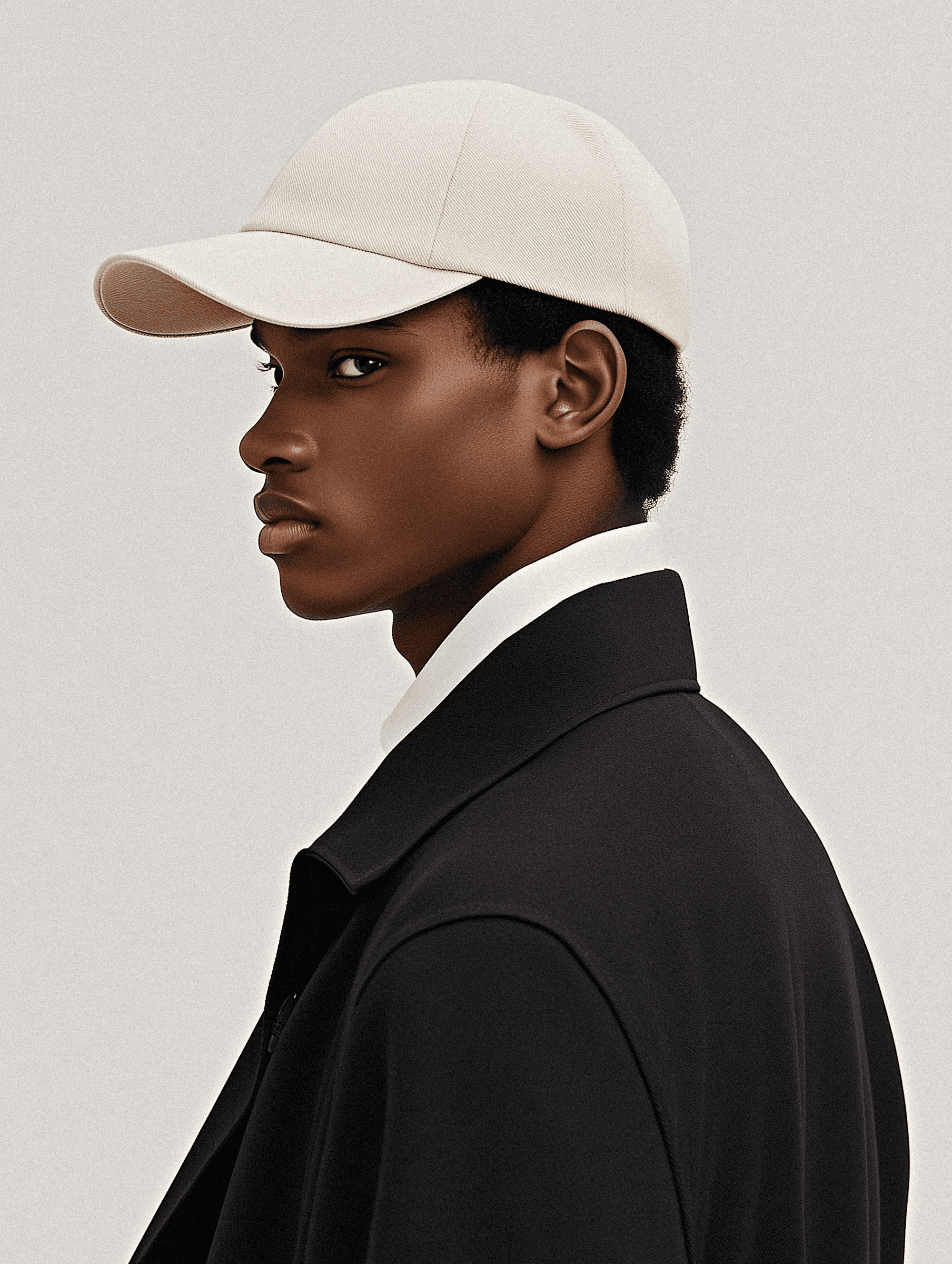
Modern photography has shifted away from overly saturated colors. Muted tones, softer highlights, and deeper shadows dominate editorial and commercial work. This approach feels intentional and emotional rather than loud.
Cinematic grading borrows heavily from film:
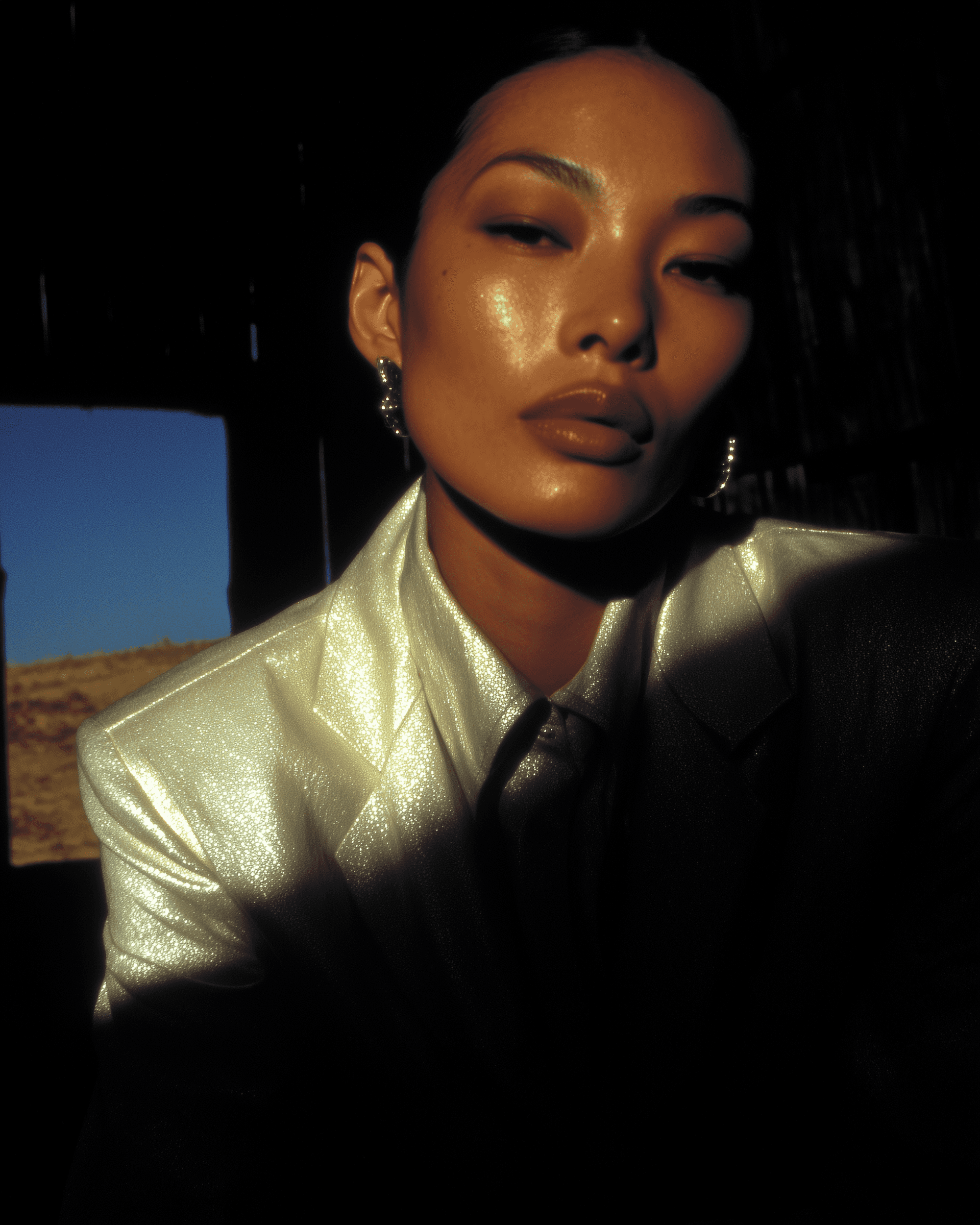
Warm highlights
Cooler shadows
Subtle contrast
Natural skin tones
The result is imagery that feels lived-in and atmospheric.
Warm grading creates intimacy. It evokes nostalgia, connection, and memory. That’s why it’s so common in lifestyle, wedding, and travel photography.
Golden highlights paired with neutral shadows create images that feel familiar — almost comforting. When used carefully, warmth doesn’t overpower the scene. It simply amplifies the feeling already present.
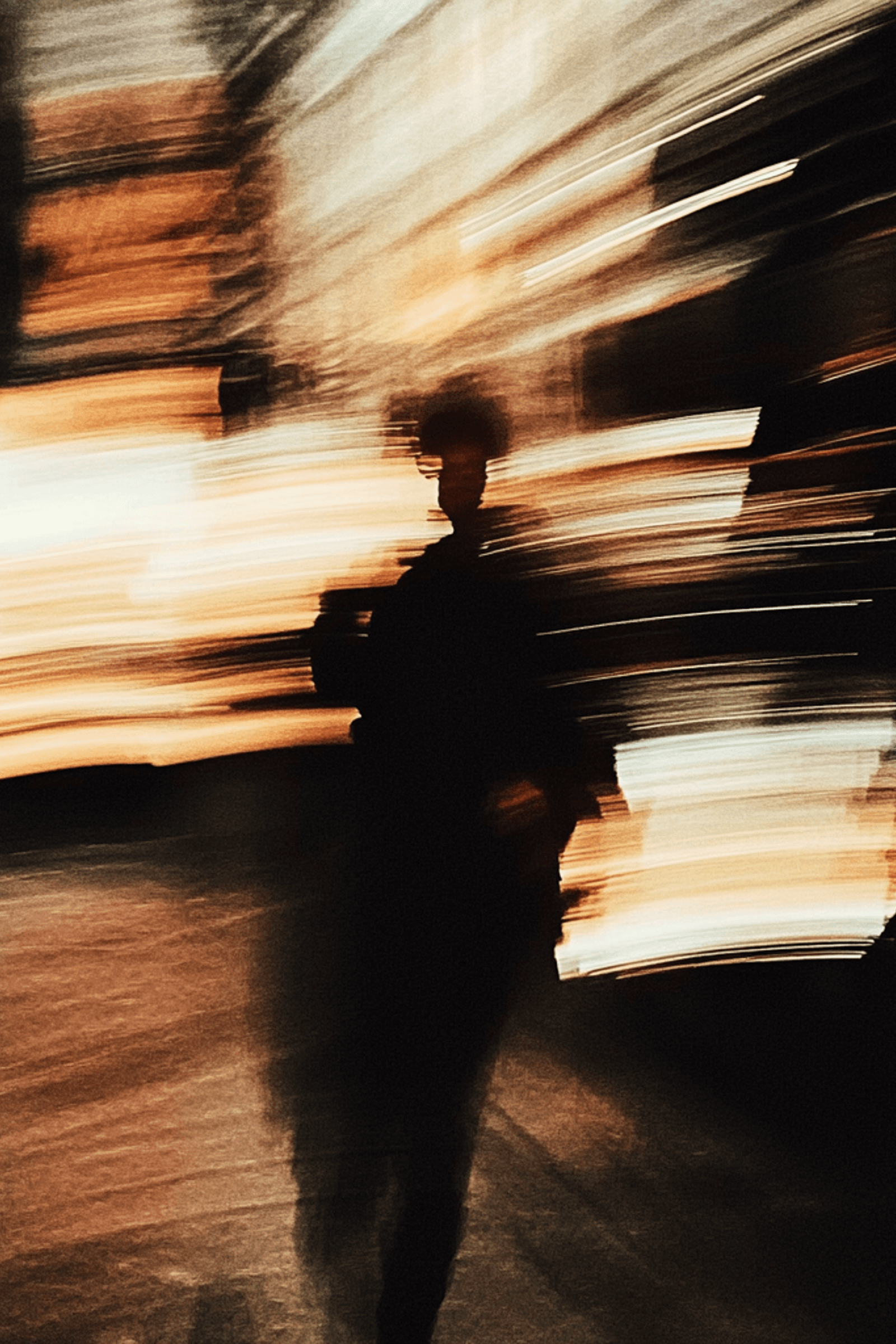
Cooler palettes introduce calm, isolation, or tension. Blues, desaturated greens, and controlled contrast are often used in street, architectural, and conceptual photography.
This style creates space between the viewer and the subject, encouraging observation rather than emotion. It’s subtle. Controlled. Confident.
Modern grading favors balance over extremes. Instead of crushing blacks or blowing highlights, photographers are letting tones breathe.
Soft roll-offs in highlights preserve detail and texture. Shadows stay rich without losing depth. This approach feels premium and timeless — especially when paired with minimal compositions.
The most important part of color grading isn’t perfection — it’s consistency. A recognizable color palette builds trust and identity.
When viewers can recognize your work without seeing your name, your grading is doing its job.
Consistency means:
Similar tones across projects
Predictable skin color treatment
Intentional shadow behavior
A cohesive emotional range
Not every image needs the same grade. Editorial work may call for bold contrast. Documentary projects might demand restraint. Commercial campaigns often balance both.
The best photographers adapt their grading while keeping their signature intact. The goal isn’t to show off technique — it’s to support the story.
Heavy grading can quickly date an image. Subtle adjustments age better. Modern photography leans toward refinement rather than transformation.
If the grade draws more attention than the photograph itself, it’s doing too much.
Color grading is one of the fastest ways to define your visual identity. When done with intention, it becomes a silent signature — one that speaks before words ever do.
Modern photography isn’t about trends.
It’s about control, emotion, and knowing when to stop.
AUTHOR
Melvin is a commercial and editorial photographer & director based in Los Angeles. He began as a street photographer documenting everyday life. He later transitioned into commercial and editorial photography, working with world-renowned brands.